

I use to live that way.
BUT Knot Me anymore.
I use to live that way. BUT Knot Me anymore.
Let’s take an in-depth look at Knots
Muscle Knots
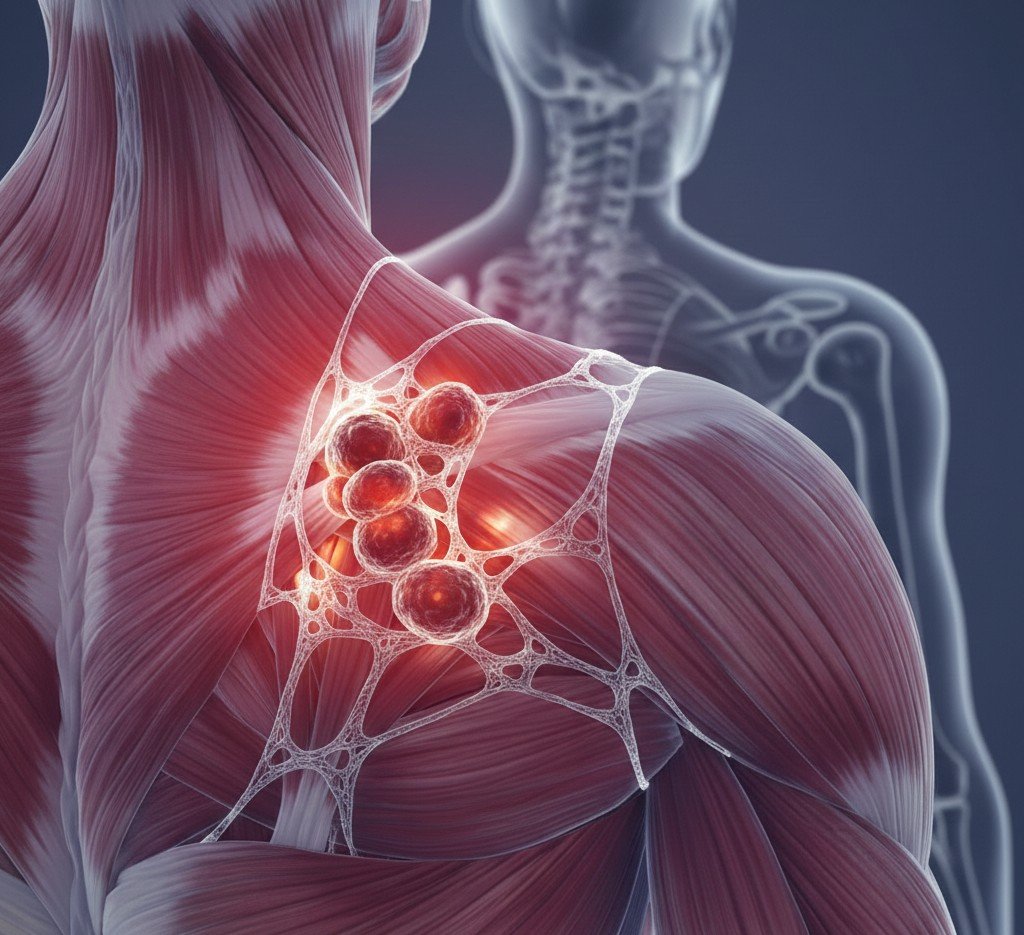
Muscle knots, clinically referred to as myofascial trigger points, are localized areas of muscle tissue where fibers remain in a sustained state of contraction. These areas develop increased tension, reduced elasticity, and restricted blood flow, resulting in a firm, tender spot within the muscle.
From a physiological standpoint, muscle knots form when a muscle is overused, held in prolonged positions, or exposed to physical or emotional stress. The sustained contraction limits oxygen delivery and nutrient exchange while allowing metabolic waste to accumulate. This can lead to pain, stiffness, decreased range of motion, and in some cases referred pain felt in other areas of the body.
Although commonly described as “knots,” they are not literal tangles of muscle fibers but rather dysfunctional muscle tissue that requires targeted release to restore normal muscle function.
Who Is Prone To Getting Knots?



Individuals who are most prone to developing muscle knots (myofascial trigger points) typically share lifestyle, occupational, or physical factors that place repeated or prolonged stress on the musculoskeletal system. These include:
1. People with sedentary or desk-based lifestyles
Prolonged sitting, especially with poor posture, places continuous strain on the neck, shoulders, lower back, and hips. Limited movement reduces circulation and prevents muscles from fully relaxing, increasing the likelihood of knot formation.
2. Individuals with physically demanding or repetitive occupations
Those who perform repetitive motions or sustain physical loads—such as healthcare workers, massage therapists, tradespeople, athletes, or warehouse workers—are at higher risk due to muscle overuse and insufficient recovery.
3. Athletes and highly active individuals
High training volume, improper warm-up or cool-down routines, muscle imbalances, and inadequate recovery can cause muscles to remain in a shortened or overworked state, leading to trigger points.
4. People experiencing chronic stress or tension
Emotional stress often manifests physically as sustained muscle contraction, particularly in the neck, shoulders, jaw, and upper back. Over time, this constant tension contributes to the development of muscle knots.
5. Individuals with limited mobility or poor flexibility
Restricted joint movement or tight connective tissue places added demand on surrounding muscles, increasing strain and the likelihood of localized muscle dysfunction.
6. Older adults
Age-related changes in muscle elasticity, circulation, and recovery capacity make muscle tissue more susceptible to tension and trigger point development.
7. People recovering from injury or surgery
Compensatory movement patterns, scar tissue, and protective muscle guarding can cause certain muscles to overwork, creating localized areas of tightness and pain.
The Mastery of Maintenance
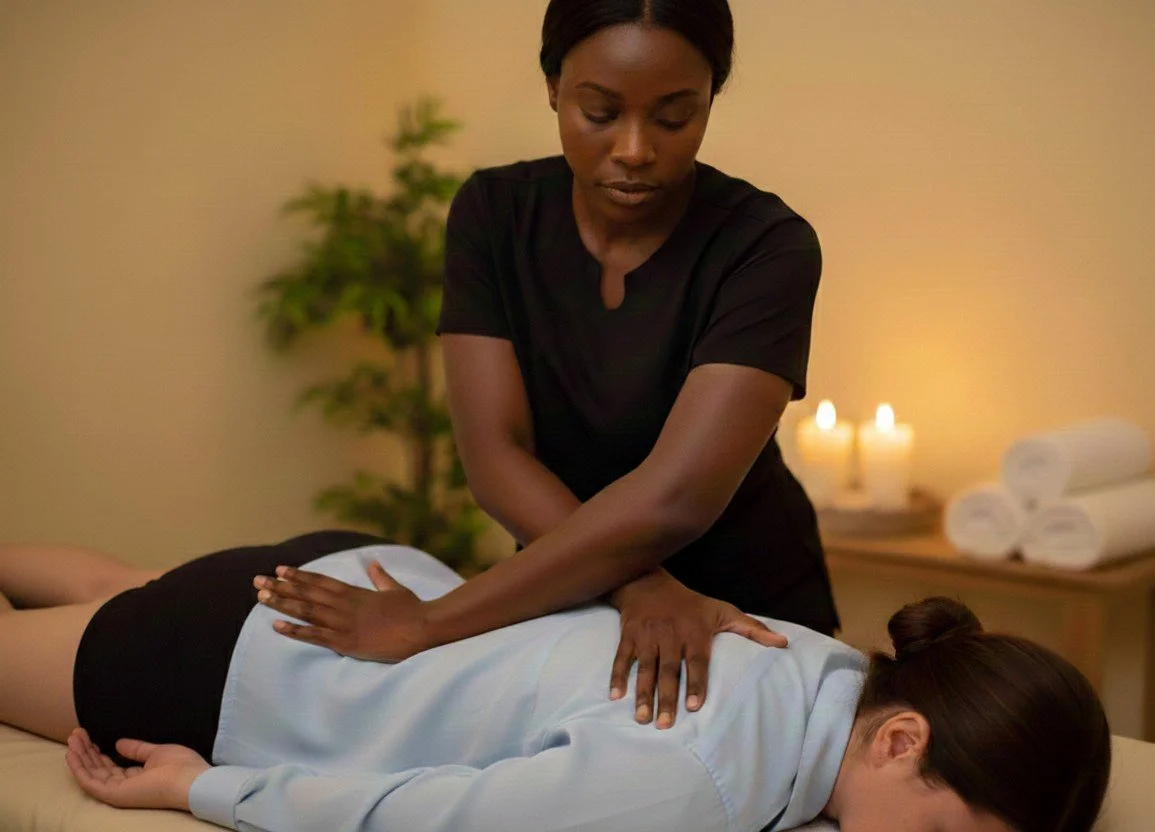
Regular body maintenance plays a key role in reducing the recurrence of muscle knots by keeping muscles supple, well-circulated, and properly aligned. Our consistent hands-on care helps release areas of built-up tension before they harden into chronic tightness, while encouraging healthy blood flow that delivers oxygen and nutrients to the tissue. This ongoing support allows muscles to recover more efficiently from daily stress, repetitive movements, and postural strain.
Over time, with regular maintenance we will improve your body awareness and mobility, helping the nervous system relax and preventing the protective muscle guarding that often leads to knots returning. Rather than addressing discomfort only after it appears, this proactive approach supports long-term muscle health, making tension less frequent, less intense, and easier for the body to manage naturally.
“I’ve been getting massages for years now because I carry tension and stress in my shoulders. Sometimes I’m so tight that it feels like my shoulders are at my ears. After my massages, I would still feel tight. One session at Knot Me released all my tension and I’ve felt great ever since.”
– Client