Knot Me
Book Now
Stretch Therapy · Southfield, MI

Back Pain & Tightness Relief
in Southfield, MI

Chronic lower back tightness is often a hip problem in disguise. Our practitioner-assisted stretch therapy sessions are designed to address the underlying restriction — not just the symptom.

The Root Cause

Why Back Tightness Keeps Coming Back

If you've had recurring lower back tightness for months or years — and it seems to temporarily improve then return — there's likely a structural restriction behind it that isn't being addressed. The lower back rarely causes its own problems in isolation.

Most chronic lumbar tightness is driven by:

  • Tight hip flexors

    The psoas and iliacus muscles connect your lumbar spine to your hip. When they're chronically shortened (usually from prolonged sitting), they pull the lumbar spine forward — creating constant low-level tension in the lower back.

    Hip flexor tightness and relief →
  • Restricted posterior chain

    Tight hamstrings and glutes limit pelvic mobility, forcing the lower back to compensate during normal movement. Over time, this compensation becomes the default pattern.

  • Sedentary posture and muscle imbalance

    Hours of sitting creates a pattern where the hip flexors dominate and the glutes and core disengage. That imbalance puts disproportionate load on the lumbar spine.

  • Sciatic nerve tension

    Sometimes lower back pain has a sciatic component — particularly when it radiates into the hip or leg.

    Sciatica relief →
The Knot Me Method

How Practitioner-Assisted Stretch Therapy Addresses Back Tension

Stretch therapy works on the soft tissue restrictions that keep the lower back in a state of chronic tension. Rather than treating the back directly, we address the upstream causes — primarily the hip complex — driving the lumbar load.

A back-focused session at Knot Me may address:

  • Hip flexor length and pelvic positioning (primary driver)
  • Lumbar mobility and range of motion
  • Hamstring and posterior chain restriction
  • Piriformis and deep hip rotator tension
  • Thoracic extension (upper back restriction often compensates downward)

This is guided, hands-on work — not passive stretching. Many clients report reduced tension and improved ease of movement within a few sessions. Individual results vary.
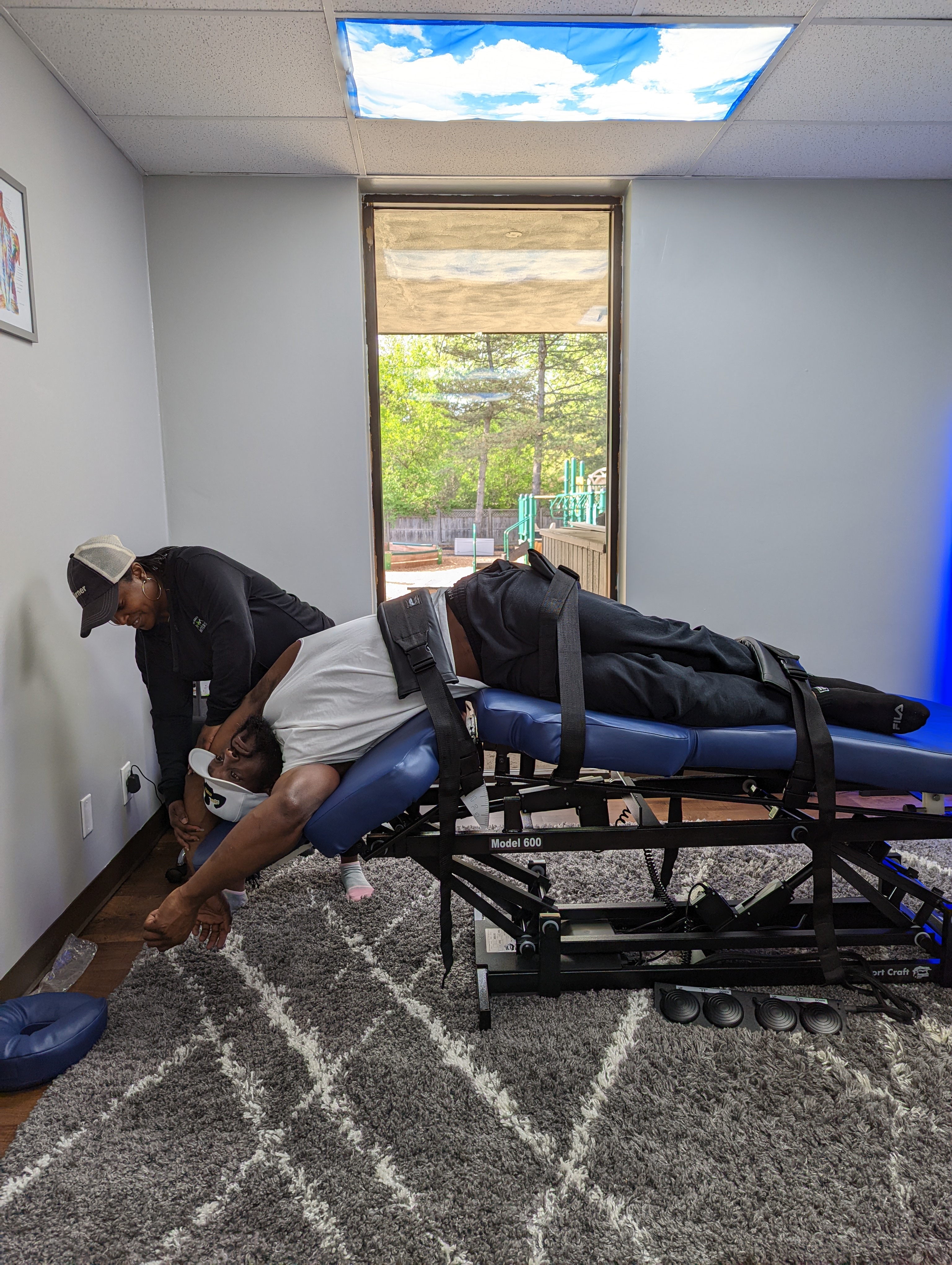
Practitioner performing back stretch therapy at Knot Me

Ready to Move Without the Pain?

Book a session at our Southfield studio and experience the difference a trained practitioner can make in your first visit.

Is This Right for You?
Active adult experiencing back pain

Who This Is For

Best suited for people whose back pain is driven by soft tissue restriction, muscle imbalance, and movement pattern issues — the most common cause of chronic lower back tightness in working-age adults.

  • Desk workers and professionals who sit 6+ hours a day
  • People with recurring tightness that improves briefly and returns
  • Individuals who've tried massage, chiropractic, or self-stretching with limited lasting results
  • People who want a non-clinical, non-pharmaceutical approach to managing chronic tension
  • Anyone whose back tightness is paired with hip stiffness or mobility restriction
When to consult a physician first: If your back pain is severe, sudden-onset, associated with numbness or tingling in the legs, or related to a known disc condition, consult a healthcare provider before booking.
✓ FSA / HSA Accepted — Learn more →
When Back Pain Interrupts Life

Sound Familiar?

These are the moments our clients describe most.

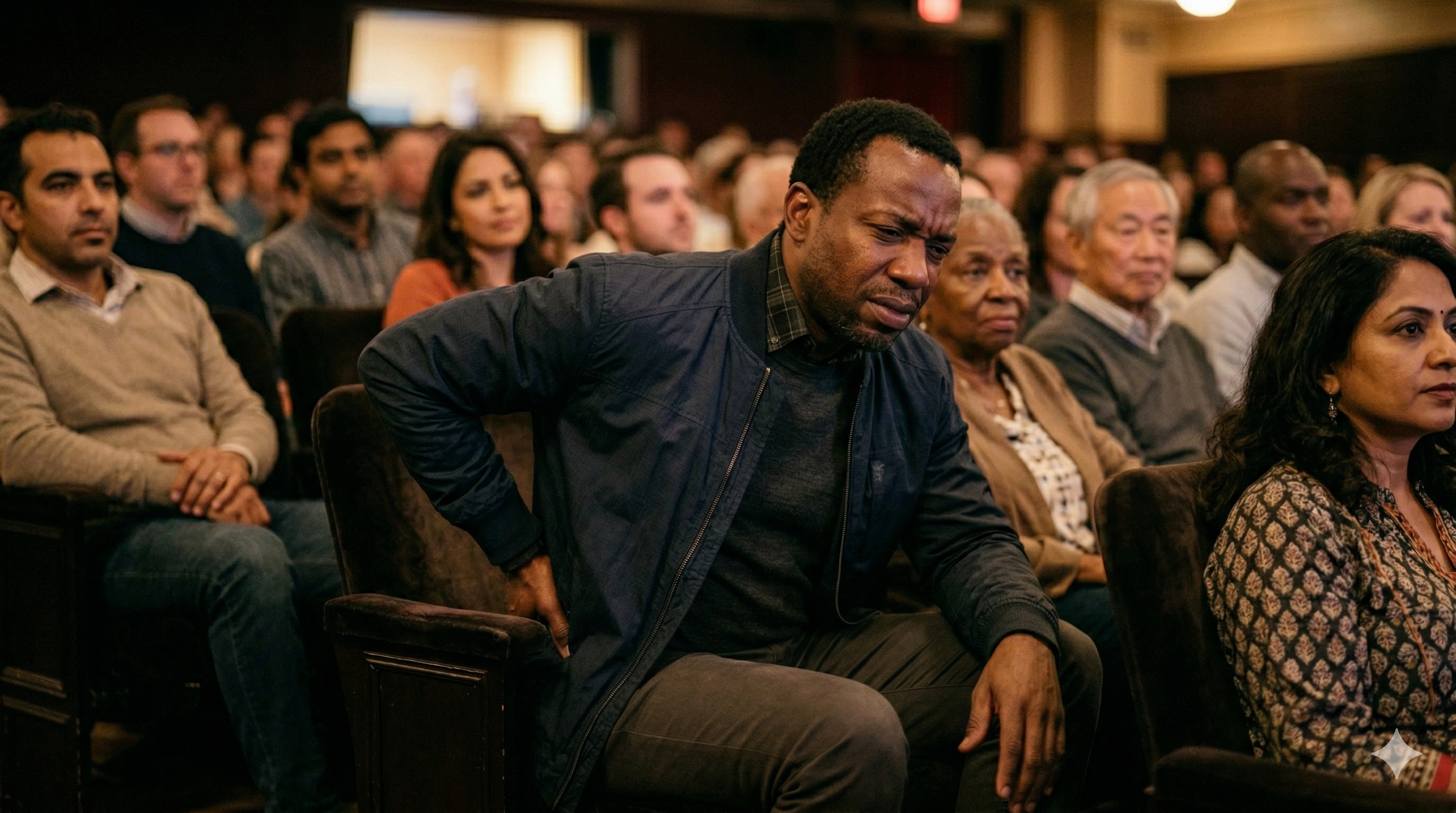
Back pain flaring up in a theater seat
Back pain while doing yard work
Active adult experiencing back pain
What Clients Say

Results From People Like You

"Seven years after a car accident, doctors told me the stiffness that remained was permanent — 'this is the new normal.' Since beginning sessions at Knot Me, I feel great, limber, and light. My mobility has continued to improve."

Client, early 50s · Post-accident restriction

"He called the next day to let us know he had been moving so well that he competed in his basketball tournament the night before — after coming in unable to move without pain and assistance."

Client, early 40s · Thrown out back

Common Questions

Frequently Asked Questions

How is stretch therapy different from physical therapy for back pain?

Physical therapy addresses structural, neurological, and rehabilitative aspects of back pain — often post-injury or post-surgical. Stretch therapy focuses on soft tissue restriction, movement patterns, and hip-to-back tightness in people without acute injury. Many clients use both at different stages.

My back only hurts in the morning. Does that matter?

Morning stiffness that improves as you move is a classic sign of soft tissue and connective tissue restriction — not structural damage. This is often very responsive to stretch therapy because it reflects tissue that has shortened overnight and needs to be progressively re-lengthened.

How often should I come in for back tightness?

For chronic recurring tightness, weekly or twice-weekly sessions during the initial period tend to produce the best results, followed by a maintenance schedule. We'll give you a specific recommendation based on what we find in your first session.

Knot Me · Southfield, MI

Ready to address what's actually causing your back tightness?

Start with a Jump Start session — 50 minutes designed to assess your restrictions and show you what targeted stretch therapy can address.

New clients only · First visit — $65

Located inside Franklin Athletic Club
29350 Northwestern Hwy, Southfield, MI
(248) 325-9480

Practitioner-assisted stretch therapy is not a medical treatment. Sessions are designed to address soft tissue restriction and support mobility. Not appropriate as a substitute for physician care for diagnosed disc conditions, acute injury, or severe back pain. Results vary.